Dog Backgrounds - Part 3: A Designer's Deep Dive
Every creative project reaches a point where the standard library of assets just doesn't cut it anymore. You've cycled through the usual suspects—the clean sans-serifs, the elegant serifs, the playful scripts—and the result feels... competent, but not inspired. This is the exact moment a resource like Dog Backgrounds - Part 3 proves its worth. It's not just another collection of textures; it's a curated set of visual narratives designed to inject immediate personality, warmth, and a touch of whimsy into your work. Think of it less as a background and more as a foundational layer of storytelling.
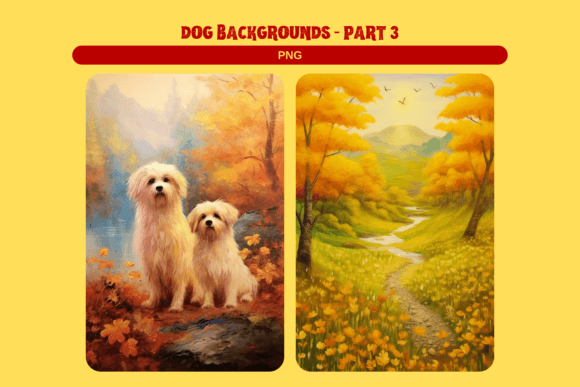
At its core, Dog Backgrounds - Part 3 is a premium design asset that moves beyond generic patterns. The visual characteristics are defined by a sophisticated blend of organic and digital elements. You'll find textures that mimic watercolor washes with soft, bleeding edges, intricate hand-drawn line art of various dog breeds in repose, and subtle, layered paper-like grain that adds tactile depth. The personality is unmistakably friendly, approachable, and slightly nostalgic. It avoids the hyper-polished, sterile look of many stock resources, instead offering a style that feels handmade and authentic. This isn't about screaming for attention; it's about creating a welcoming atmosphere that draws the viewer in. The overall appeal lies in its versatility—it can be bold and graphic or subtle and supportive, depending on how you deploy it.
Where This Creative Font Finds Its Voice
The true strength of Dog Backgrounds - Part 3 is its chameleon-like ability to adapt across a stunning range of projects. For designers and brand strategists, it's a secret weapon for crafting unique brand identities. Imagine a boutique pet shop, a dog walking service, or a artisanal pet treat company. Using this background in their logo design explorations, packaging design, and social media graphics immediately communicates a brand built on love, care, and individuality. It sets them apart from competitors using sterile, corporate-style imagery.
In the realm of publishing and editorial design, the applications are equally potent. A children's book author could use the softer, watercolor-style backgrounds to create enchanting page borders or chapter title spreads. A blogger or publisher focused on pet care, lifestyle, or even cozy fiction could use it for website headers, newsletter templates, and ebook covers, creating a consistent and recognizable visual language. For web design, it works beautifully as a full-page background for a specific campaign or as a subtle texture behind a call-to-action section, adding depth without compromising the legibility of the primary sans serif font or serif font used for body text. It’s a creative font in the sense that it provides a creative foundation.
The Subtle Power of Texture in Typography
While Dog Backgrounds - Part 3 is a visual asset, its interaction with typography is where the magic happens. Pairing it with the right typeface is critical. A bold, geometric display font for headlines can pop against a detailed, intricate background, creating a compelling focal point. Conversely, a delicate script font or a clean modern typography choice can be elevated by a softer, more diffuse background texture, adding a layer of professionalism and curated taste. The key is contrast—letting the background support the text, not compete with it.
This asset directly influences core design principles. For readability, you must test rigorously. A busy background demands high-contrast text and ample whitespace. It can powerfully shape visual hierarchy, guiding the viewer's eye from a textured hero image to clean, legible information below. For brand perception and consistency, using this background across a suite of materials—from a website to printed brochures to social media posts—builds a cohesive and memorable identity. It signals that a brand pays attention to detail and values a specific, warm aesthetic. This consistency breeds recognition and trust, which is the bedrock of effective marketing and audience engagement.
Practical Guidance for Implementation
So, how do you actually choose and use Dog Backgrounds - Part 3 effectively? Start by evaluating your project's core personality. Is it playful, sophisticated, rustic, or modern? While the asset has a consistent theme, its various components can lean in different directions. Review all the included styles—there may be variations in color saturation, complexity, and element density. Don't just look at the preview; download and examine each file at 100% zoom.
Testing font pairings is non-negotiable. Place your chosen headline and body fonts over several background options. Check for legibility at different sizes and on various screens. A common pitfall is assuming a background will work without this step. Consider the practicalities of commercial licensing if this is for a client project or a product you intend to sell. Most reputable design assets like this come with clear terms, but always verify.
Here are a few realistic scenarios:
- For a Local Dog Rescue's Fundraiser Flyer: Use a subtle, warm-toned background from the set behind clear, bold sans-serif text. It adds heart and personality without sacrificing the crucial information readability.
- For an Instagram Story Series: Layer a more graphic, line-art style background with a semi-transparent overlay and your brand's handwritten font for quotes or tips. It's instantly recognizable and engaging.
- For a Pet Blogger's Media Kit: Use a muted version of the background as a footer or sidebar texture. Pair it with a professional serif font to balance creativity with credibility.
Ultimately, Dog Backgrounds - Part 3 is more than a decorative element. Used thoughtfully, it becomes a strategic component of your visual communication, capable of elevating a project from merely functional to genuinely memorable. It provides the texture, warmth, and narrative depth that today's audiences connect with, making it a valuable addition to any creative professional's toolkit. The goal isn't to use it everywhere, but to know precisely when and where it will make the most significant impact, transforming a good design into a great one that resonates on a human level.