Cheetah Print Backgrounds: Bold Patterns for Modern Design
There’s an immediate energy to cheetah print. It’s more than just spots on a surface; it’s a statement of confidence, a whisper of the wild, and a nod to timeless fashion. Our Cheetah Print Backgrounds collection captures this exact feeling, offering a versatile toolkit for creators who want to inject their projects with untamed style. This isn’t about slapping an animal pattern on a page—it’s about understanding how to use a powerful visual language to connect with your audience.
The Anatomy of a Modern Classic
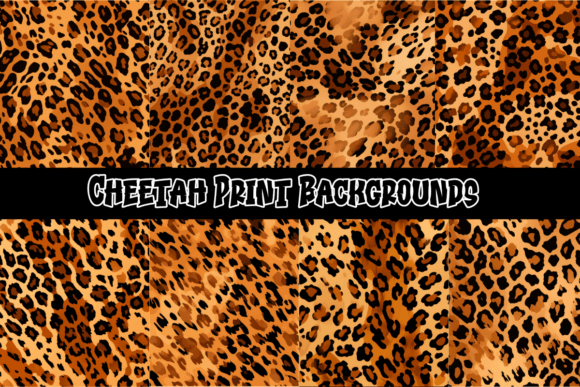
What makes a cheetah print background so effective? At its core, the pattern is a masterclass in organic irregularity. The spots are never perfectly uniform, the color palettes range from classic tan and black to vibrant neon or muted pastels, and the overall texture feels alive. This inherent unpredictability is its greatest strength. In a world saturated with sterile, geometric patterns, a well-designed Cheetah Print Background offers a human, tactile quality. It communicates boldness and a certain fearless approach to aesthetics.
The visual personality of this pattern is incredibly adaptable. A traditional brown-and-black version feels retro and glamorous, perfect for a vintage-inspired brand or a cosmetics packaging design. A monochrome or grayscale version becomes surprisingly sophisticated and modern, suitable for minimalist editorial layouts or sleek web design. A pastel or neon interpretation screams contemporary pop culture, ideal for social media graphics targeting a younger demographic. The key is that the pattern itself carries a strong inherent style, which you then steer through color and scale.
Strategic Applications Across Creative Fields
Knowing where to deploy this powerful design asset is half the battle. The applications extend far beyond a simple background fill. For graphic designers and brand strategists, a subtle cheetah print can become a signature element within a brand identity. Imagine it as the lining of a business card, the header of a letterhead, or a textured overlay on a website hero section. It adds a layer of intrigue without overwhelming the core message.
Digital artists and content creators can use these backgrounds to create instant visual hooks. A YouTube thumbnail, an Instagram story, or a podcast cover art featuring a dynamic animal print instantly stands out in a crowded feed. The pattern acts as a visual shorthand for topics related to fashion, beauty, lifestyle, adventure, or even bold business leadership. For crafters and those in packaging design, it translates beautifully to physical products—think custom tissue paper, boutique shopping bags, or sticker sheets that feel premium and curated.
Here’s a practical breakdown of high-impact uses:
- Digital Presence: Website banners, email newsletter templates, social media post backgrounds, and profile accents.
- Print & Packaging: Lookbook layouts, product hang tags, notebook covers, and boutique retail signage.
- Marketing Collateral: Presentation slides, webinar graphics, lead magnet covers, and event invitations.
- Personal Projects: Custom phone wallpapers, desktop backgrounds, scrapbooking elements, and party decor templates.
Mastering the Wild Element: Pairing and Application
The true skill lies in balance. A Cheetah Print Background is a display-level element; it’s meant to be seen and felt. Pairing it with the right typography is critical. To avoid visual chaos, combine it with clean, sans serif fonts. A bold, geometric sans serif for headlines and a highly legible, neutral sans serif for body copy create a clear hierarchy that grounds the wild pattern. For a more eclectic, high-fashion vibe, a single, elegant script font or a refined serif font for a logo or headline can work, but this requires careful testing to ensure readability.
Always consider the context of your font pairing. If your project requires extensive reading, use the print sparingly—as a border, a header, or a background for a short, impactful quote. Let the typeface do the heavy lifting for the main content. This approach maintains visual hierarchy and ensures your message isn’t lost in the pattern.
A Practical Guide to Selection and Use
When evaluating a collection of Cheetah Print Backgrounds, look beyond the first pattern you see. Assess the variety of included styles. A robust collection will offer variations in scale (from micro-prints to large, dramatic spots), color schemes, and texture (smooth, grungy, watercolor, etc.). This allows you to select the perfect design asset for the specific mood of your project.
Testing is non-negotiable. Before committing, place your chosen background behind your text and other design elements. Check the contrast on multiple devices—a phone screen and a printed proof can look very different. Ensure your text remains legible and that the pattern enhances rather than distracts. If the print is too busy, try reducing its opacity or overlaying a semi-transparent shape behind your text.
Finally, for any commercial use, verify the licensing. A premium font or asset collection should come with a clear commercial font license that covers your intended applications, whether for a client’s logo, a product for sale, or a wide-reaching marketing campaign. This due diligence protects you and your clients, ensuring your creative work is both stunning and legally sound.
Embracing Cheetah Print Backgrounds is about harnessing a pattern with decades of cultural resonance and giving it new life in your work. It’s a tool for those who aren’t afraid to let their designs roar. Used thoughtfully, it can elevate a project from ordinary to unforgettable, proving that sometimes, the best way to stand out is to go wild.