Holographic Backgrounds with Noise: A Designer's Guide
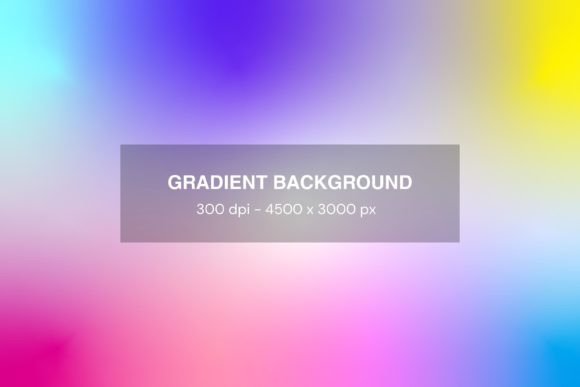
There's a certain magic in materials that catch the light. Think of a soap bubble, a butterfly wing, or the slick surface of a vinyl record. That iridescent, shifting quality is what Holographic Backgrounds with Noise brings to your digital canvas. This isn't just another gradient; it's a complex layer of color, light, and texture designed to add depth and a futuristic edge to your projects. The subtle noise grain is the secret ingredient, preventing the design from looking flat or overly synthetic, giving it a tactile, almost print-like quality.
The Visual Personality: More Than Just a Rainbow
At first glance, the appeal is immediate. You get a smooth, flowing transition of colors that mimics the refraction of light on a holographic film. But look closer. The integrated noise adds a delicate, granular texture. This combination creates a background that feels both digital and physical. It has a cool, contemporary vibe that's perfect for brands and projects aiming for a modern, tech-forward, or creative aesthetic. It speaks to innovation, playfulness, and a certain kind of polished cool.
The versatility of these backgrounds is a major strength. As a design asset, it can serve as a vibrant foundation or a subtle accent. Use it full-bleed for a poster that demands attention, or crop a small section to frame a product photo on a website. The high-resolution files included—a 4500x3000 pixel JPG and an EPS vector at the same dimensions and 300 dpi—mean you have immense flexibility. The vector EPS file is particularly valuable, allowing you to scale the design to any size without loss of quality, ideal for large-format printing or intricate digital work.
Where This Background Truly Shines: Practical Applications
Understanding where to deploy a creative font or background is half the battle. Holographic Backgrounds with Noise excels in environments where you need to make a memorable visual impact without relying solely on typography.
For Brand Identity and Marketing
Imagine a startup in the tech, beauty, or lifestyle space. Using this background in their logo design presentations, social media templates, or website hero sections instantly communicates a brand that's innovative and style-conscious. It provides a dynamic backdrop for product mockups, making items pop. For packaging design, especially for cosmetics, gadgets, or premium goods, a holographic element can evoke luxury and excitement. It's a powerful tool in your brand identity toolkit for creating a distinct and engaging visual language.
In Digital and Print Publishing
Bloggers and content creators can use this background to create eye-catching featured images, newsletter headers, or YouTube thumbnails that stand out in a crowded feed. For editorial design, think of a magazine cover or a chapter opener in a digital publication. The background sets a mood—futuristic, artistic, or glamorous—depending on the color palette and how it's used. It can serve as a unifying element across a series of social media graphics, creating a cohesive and professional look for your feed.
Personal and Commercial Projects
For crafters and hobbyists, the applications are endless. Design unique phone cases, laptop skins, or party invitations. Use it as a base for digital art, wallpapers, or presentation backgrounds. For small business owners, it's a cost-effective way to add a high-end, custom feel to your marketing materials without the expense of a full custom photoshoot. The included files give you the commercial font equivalent of a background—ready to use in both personal and professional contexts.
Smart Integration: Making It Work for You
Adding a bold element like this to your design requires a thoughtful approach to maintain clarity and professionalism.
- Readability is Key: The biggest consideration is text legibility. Pair the holographic background with a clean, strong serif font or sans serif font for body copy. Ensure there is sufficient contrast. Often, placing a semi-transparent dark or light overlay on the background can help text stand out while still letting the holographic effect show through.
- Font Pairing Strategy: Think of the background as the star of the show. Your typeface choices should complement, not compete. A geometric sans-serif can enhance the modern feel, while a elegant serif might create an interesting contrast. Avoid overly decorative script fonts or handwritten fonts for main text, as they can become lost. Use them sparingly for accents if the style fits.
- Evaluate the Project Fit: Does your project's message align with the personality of the background? It's perfect for a music festival poster, a beauty brand launch, or a tech conference. It might be less suitable for a traditional law firm's website or a historical documentary. Always let the project's goals and audience guide your choice of modern typography and imagery.
- Test and Iterate: Download the files and experiment. Try using the background at full opacity, then with a reduced opacity. See how it looks with different color filters applied in your design software. Test it with your chosen font pairings on both desktop and mobile screens. The high resolution of the provided JPG and EPS files ensures your experiments will look crisp at any stage.
Ultimately, Holographic Backgrounds with Noise is a versatile premium font asset for your creative library. It's not a one-size-fits-all solution, but for the right project, it provides an unparalleled level of visual interest and contemporary appeal. By understanding its strengths and applying it with intention, you can elevate your designs, strengthen your brand perception, and capture your audience's attention in a truly memorable way.
Subscribe to me and get news about my new products! ♥ Thank you for visiting me ♥ ♥ Leave your feedback and suggestions! ♥