Wood Backgrounds: 7 High-Resolution Textures for Your Projects
When you’re designing for a brand that values warmth, authenticity, or a down-to-earth vibe, standard digital backgrounds often fall short. They can feel sterile or disconnected. This is where the tactile quality of a wood background becomes an invaluable asset. The right texture can ground a design, adding a layer of realism and character that flat colors simply cannot achieve. This collection of Wood Backgrounds is crafted to provide exactly that—versatile, high-quality assets that bridge the gap between digital creation and the tangible feel of natural materials.
The Visual Character and Appeal
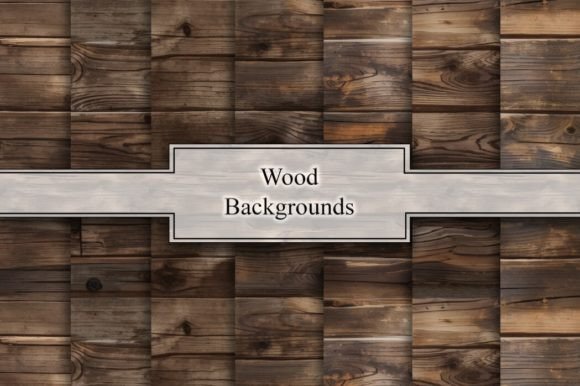
These seven JPEG files showcase the inherent beauty of wood grain. Each texture presents a distinct personality, from the subtle, even tones of a light birch or maple to the pronounced, rustic patterns of reclaimed or weathered planks. The visual style is clean and unobtrusive, making them a flexible foundation rather than a competing element. The overall appeal lies in their ability to evoke specific moods: a sense of craftsmanship, warmth, tradition, or modern rustic charm. They are not just backgrounds; they are silent storytellers that set the stage for your content. At a crisp 300dpi and 1500x1500 pixels, these files offer the resolution needed for both digital screens and high-quality print, ensuring your designs remain sharp and professional at any scale.
Practical Applications Across Design Disciplines
The true value of a premium design asset is measured by its utility. These Wood Backgrounds are engineered for broad application, serving as a reliable component in your design toolkit.
- Print & Marketing Collateral: They provide an excellent base for wedding invitations, greeting cards, and party invitations, instantly adding a personal, handmade feel. For posters, flyers, and brochures, a wood texture can make a headline or key message pop while conveying a message of solidity and quality. It’s a smart choice for covers of reports, menus, or program booklets.
- Digital & Branding: In the realm of web design and social media graphics, a subtle wood background can add depth to a website hero section, a podcast cover, or an Instagram post, making content stand out in a crowded feed. For logo design and brand identity work, especially for brands in the food, artisanal, outdoor, or lifestyle sectors, incorporating a wood texture into presentations or brand guidelines can reinforce core brand values visually.
- Creative & Personal Projects: For scrapbooking artworks and digital collage, these textures are perfect for creating layered, mixed-media effects. Planner stickers and journaling elements gain a cozy, aesthetic quality when set against a wood grain. Even print templates for home décor or presentations for community projects benefit from the approachable, non-corporate feel that wood conveys.
Influence on Design and Audience Perception
Choosing a background texture is a strategic decision that influences several aspects of your final design. A wood background directly impacts visual hierarchy by providing a textured, often mid-toned foundation that allows foreground elements—whether text, logos, or images—to achieve greater contrast and legibility. This creates a natural layering effect.
From a brand perception standpoint, consistent use of such a texture can build recognition and define personality. It signals qualities like authenticity, durability, and a connection to nature or craftsmanship. This fosters audience engagement, as viewers often find these organic textures more relatable and less clinical than purely digital patterns. The professionalism comes not from the complexity of the background, but from its intentional and consistent application to support the core message.
Guidance for Implementation
Integrating these assets effectively requires a thoughtful approach. Here’s how to get the most out of your Wood Backgrounds collection:
- Evaluate Project Fit: Consider the tone of your project. A light, smooth wood grain suits modern, clean designs, while a distressed, knotty wood fits vintage or rustic themes. The seven included styles offer a range to match different briefs.
- Master Font Pairing: The texture of wood pairs exceptionally well with certain typefaces. For a clean contrast, use a bold sans serif font. For a harmonious, traditional feel, pair it with a sturdy serif font. Avoid overly ornate script fonts or delicate handwritten fonts unless the wood texture is extremely subtle, as they can compete for attention and reduce readability.
- Test Readability: Always test your text over the background. Place a headline or a paragraph of body copy on it. Adjust text color, add a subtle drop shadow, or place a semi-transparent color block behind text if the grain is too busy. The goal is to maintain clarity.
- Leverage Commercial Use: These files are provided with no watermarks or embedded text, making them ready for both personal and commercial projects. This is crucial for entrepreneurs, small business owners, and designers creating assets for clients. You can confidently use them in products for sale, like planner stickers or print templates, without licensing concerns.
Ultimately, this collection of Wood Backgrounds is about providing a foundational design element that works as hard as you do. It’s a practical, versatile resource designed to enhance the visual storytelling of your next project, whether it’s a single greeting card or a full brand identity system. By understanding its characteristics and applications, you can use it to create designs that are not only beautiful but also strategically effective and resonant with your audience.