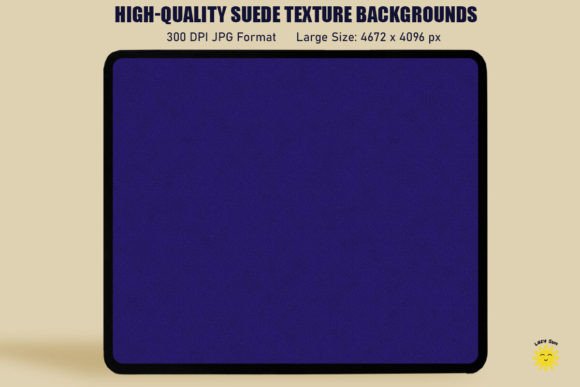
Fine-grained Suede Texture Backgrounds: Elevating Your Visual Projects
In the world of digital design, the right texture can transform a flat, lifeless canvas into something tangible and inviting. A Fine-grained Suede Texture Background does exactly that. It’s not just a pattern; it’s a sensory experience translated into pixels. Imagine the soft, matte finish of a luxury car’s interior or the plush cover of a high-end journal. That’s the essence of this design asset. The subtle, napped surface creates a depth that feels both warm and sophisticated, offering a tactile quality that digital screens often lack. It’s a design choice that whispers quality rather than shouting it, making it a versatile tool for creators who value understated elegance.
The Character and Appeal of Suede
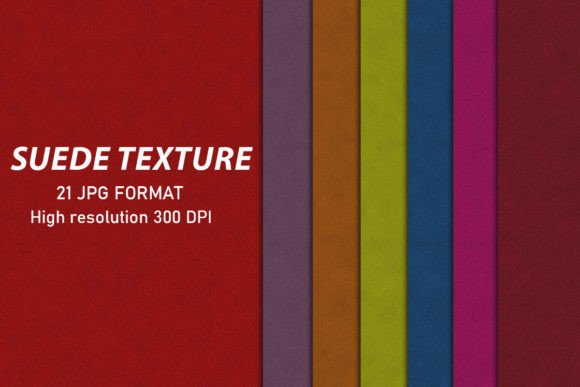
What sets a fine-grained suede texture apart from other backgrounds is its unique personality. It’s soft without being blurry, detailed without being noisy. The texture mimics the natural, random fiber orientation of real suede, creating an organic feel that synthetic patterns often miss. This gives it a remarkable ability to add a layer of luxury and comfort to any composition. Unlike a flat color or a harsh geometric pattern, suede provides a subtle visual interest that draws the eye in without overwhelming the main content. Its matte quality reduces glare, making text and foreground elements stand out with greater clarity. The Soft Touch Suede Backdrops included in this collection are designed to feel authentic, offering a range from barely-there grain to more pronounced, Plush Suede Backgrounds. This variety allows you to match the texture’s intensity to your project’s mood, whether you’re aiming for the quiet refinement of a business card or the bold presence of a social media banner.
Where This Texture Shines: Practical Applications
The true value of a design asset lies in its application. These Luxurious Suede Patterns are incredibly versatile. For brand identity and logo design, they provide a rich, tactile backdrop that can make a logo feel more grounded and premium. Think of a stationery set for a boutique hotel or a luxury goods brand; the suede background instantly communicates quality and attention to detail. In editorial design and packaging design, it can serve as a elegant background for headlines, pull quotes, or product images, adding a layer of sophistication to magazines, book covers, and product boxes.
For digital creators, the applications are equally powerful. As a web design element, a subtle suede texture can be used in hero sections, sidebar backgrounds, or footer areas to create a cohesive and inviting atmosphere. It works exceptionally well for websites in the lifestyle, fashion, real estate, or artisanal food industries. In social media graphics, these Smooth Suede Surfaces make perfect backgrounds for quote cards, promotional announcements, or story templates. The texture adds visual weight and professionalism, helping your posts stand out in a crowded feed. For bloggers and content creators, using a consistent suede texture across your graphics can become a recognizable part of your brand identity, fostering audience recognition and trust.
Making the Right Choice for Your Project
Choosing the right texture involves more than just personal taste; it requires considering your project’s goals and audience. The Suede-Like Texture Backgrounds in this collection are delivered as high-resolution JPG files (4672 x 4096 px at 300 DPI), making them suitable for both digital and print projects. Their large size ensures you can scale them down for a web banner or up for a large-format print without losing the intricate detail of the grain. However, it’s always wise to test. Place your primary text or logo over the texture at the intended size to ensure optimal readability. The matte finish generally provides excellent contrast, but pairing it with a clean, sans serif font or a classic serif font often yields the best results. Avoid overly ornate or script fonts for body text, as they can get lost in the texture’s complexity.
Think about the emotion you want to evoke. A lighter, finer grain might suit a wedding invitation or a skincare brand, conveying softness and care. A deeper, richer tone could be perfect for a whiskey label or a financial advisor’s brochure, suggesting depth and reliability. This is where the concept of font pairing extends to texture pairing. Just as you’d pair a display font with a readable body font, you’d pair a bold suede texture with simpler graphic elements. The goal is balance. The texture should enhance your message, not compete with it.
Integrating Texture into Your Creative Workflow
Incorporating these backgrounds into your work is straightforward. Once you unzip the file, you can place the JPG directly into your design software of choice—Adobe Photoshop, Illustrator, Canva, Procreate, or others. Use layer blending modes like Multiply, Soft Light, or Overlay to seamlessly integrate the texture with your other design elements. This non-destructive method allows you to adjust the texture’s opacity and blend it perfectly with colors, images, and typography.
For entrepreneurs and small business owners, these design assets are a cost-effective way to achieve a professional, cohesive look across all your marketing materials. From business cards and letterheads to email headers and website banners, maintaining a consistent texture builds a subtle but powerful thread of recognition. For crafters and hobbyists, the applications are boundless—use them for digital scrapbooking, printable art, custom card designs, or even as a reference for physical projects.
Remember, the most effective use of any premium font or texture is intentional. It should serve a purpose, whether that’s to establish a mood, guide the viewer’s eye, or strengthen your brand’s visual language. By understanding the character of these fine-grained suede textures