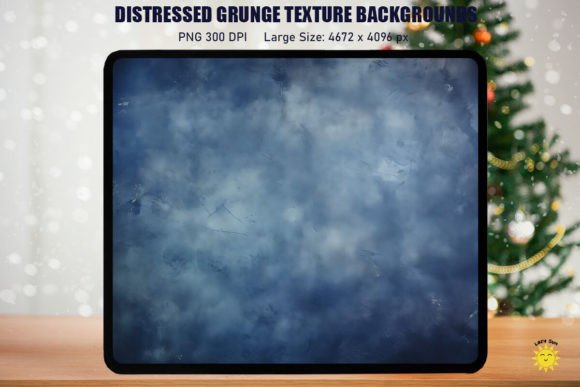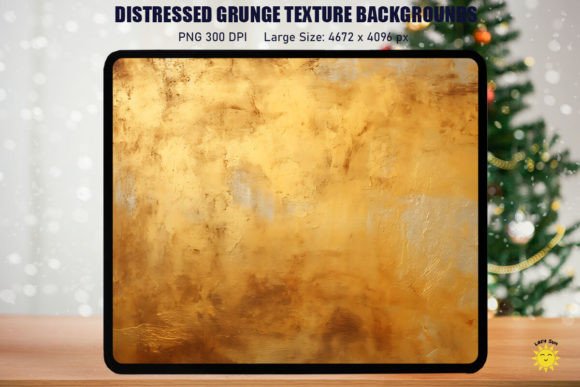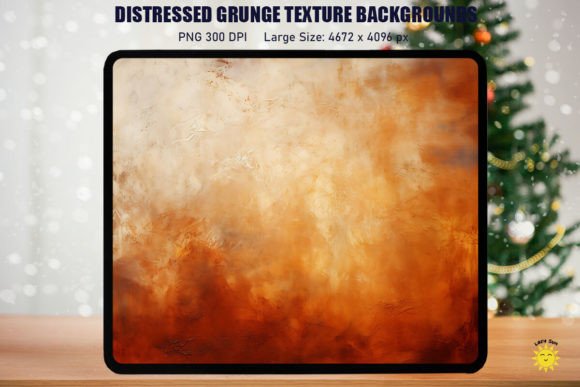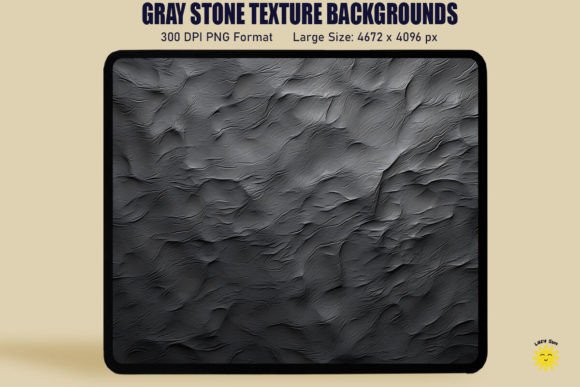
Shabby Leather Texture Backgrounds: Adding Timeless Character to Your Work
Finding the right foundation for a design project is often the most critical step. It sets the entire mood. That’s where a resource like Shabby Leather Texture Backgrounds comes in, offering a specific kind of visual weight and history that polished, perfect surfaces just can't replicate. This isn't about a display font or a serif font for your headline. It's about the canvas itself—the very surface your other design assets will live on. Think of it as the classic leather backdrop for your story, providing a sense of durability, nostalgia, and authenticity from the first glance.
The Visual Personality of Distressed Leather Textures
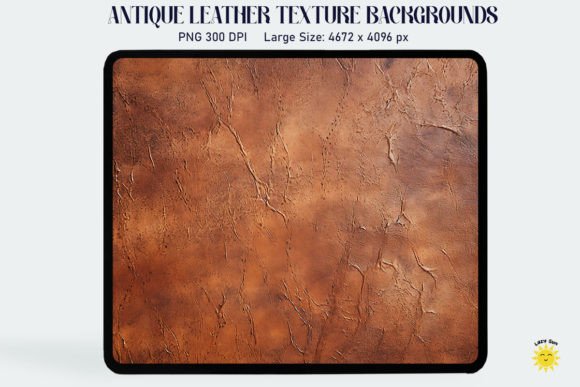
What exactly defines the appeal of these weathered leather backdrops? It’s a combination of subtleties. You get the rich, organic grain of real leather, but with a history etched into it. We're talking about subtle cracks, gentle wear patterns, and variations in tone that suggest years of use. This creates a nostalgic leather backdrop that feels both rugged and sophisticated. The color palette often leans into deep browns, aged tans, and warm, muted earth tones, making it incredibly versatile. Unlike a flat color, a distressed leather texture adds instant depth and a tactile quality to any composition. It’s a background that tells a story before your headline even does.
Where This Antique Leather Texture Truly Shines
The strength of an antique leather texture lies in its ability to convey specific brand values. It’s perfect for projects where you want to communicate tradition, craftsmanship, and enduring quality. Imagine a whiskey distillery’s website using this as a web background, or a high-end journal’s packaging design. For logo design, pairing a clean, modern sans serif font with a shabby leather texture background underneath can create a striking contrast that feels both contemporary and rooted in heritage. It’s a fantastic tool for brand identity work targeting audiences who appreciate substance over fleeting trends.
Practical Applications for Modern Creatives
Let’s move beyond theory. How can you practically use these high-resolution PNG files? The applications are surprisingly broad. For social media graphics, a classic leather backdrop can make a promotional post for a men's grooming product or a vintage bookshop stand out in a sea of sterile, digital-looking feeds. In editorial design, it can serve as a background for pull quotes or chapter dividers in a book or magazine, adding a layer of tactile sophistication. For entrepreneurs creating packaging design, especially for artisanal goods, this texture can immediately elevate the perceived value of the product.
Don’t overlook its power in digital spaces. As a web background, a subtly tiled or stretched distressed leather texture can warm up a corporate site or add character to a personal blog. It works exceptionally well for sections like "Our Story" or "Heritage." For graphic design projects like certificates, awards, or upscale invitations, the texture provides a formal yet warm foundation. The key is in the pairing. Use it with a crisp, premium font—perhaps a elegant script font for accents or a strong serif font for body text—to maintain readability and visual hierarchy.
Working With the Asset: Key Considerations
When you download a set of shabby leather texture backgrounds, you’re getting a creative font equivalent for your background layer. The files are typically large, high-DPI PNGs (like the 4672 x 4096 px size mentioned). This is a huge advantage. It means you can resize them significantly for different formats—from a small web banner to a large printed poster—without losing quality or seeing pixelation. Always test how the texture interacts with your chosen typeface. A very ornate, handwritten font might get lost in a busy texture, while a bold, clean typeface will pop. Consider using the texture at varying opacities or overlaying a slight color wash to make it uniquely yours.
Remember, this is a commercial font for backgrounds, meaning you can use it in client work and for commercial projects, which is a significant benefit for freelancers and agencies. The ZIP file format is standard, but ensure you know how to unzip files on your system. The most important step is to actually open the file and play with it. Place your mockup design on top. See how it affects the overall visual hierarchy and brand perception. Does it support the message or distract from it? This hands-on evaluation is more valuable than any description. A great weathered leather backdrop