Gray Grunge Texture Backgrounds: A Practical Asset for Authentic Design
In a digital landscape often saturated with clean lines and sterile perfection, there's a growing appreciation for elements that tell a story of time, use, and character. This is where assets like Gray Grunge Texture Backgrounds come into play. Far from being just a filter or a quick effect, a high-quality distressed texture is a foundational design asset that injects immediate depth, mood, and a sense of history into any project. It’s the visual equivalent of a well-worn leather jacket or a weathered wooden table—items that carry a narrative of experience and authenticity.
The Visual Language of Distressed Surfaces
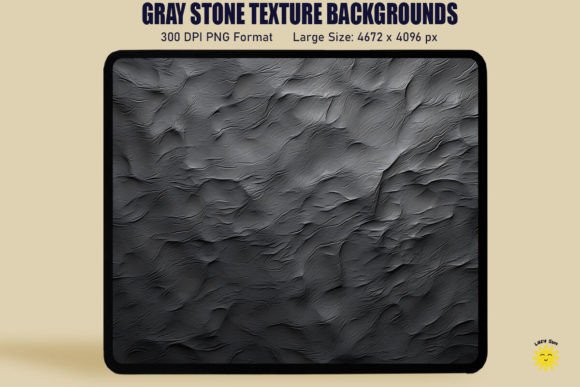
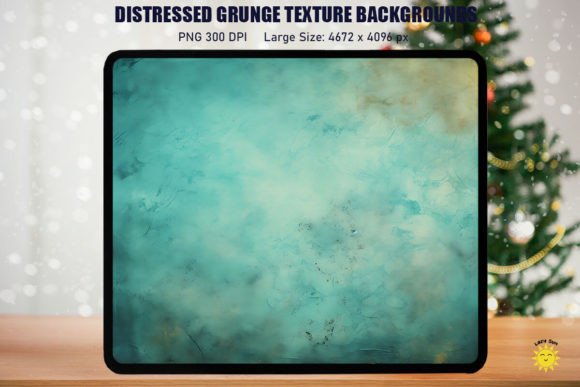
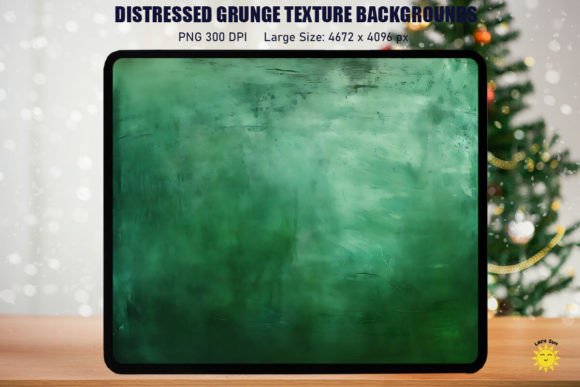
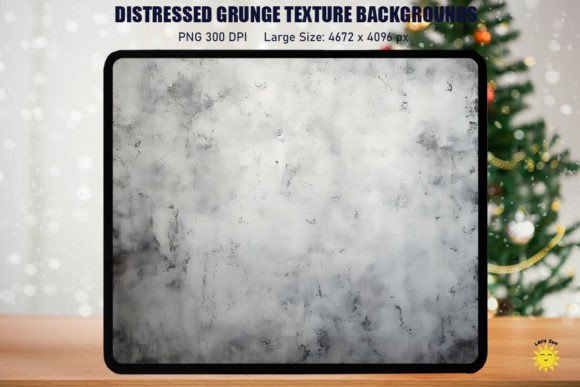
A Gray Grunge Texture Background is a masterclass in controlled imperfection. The visual characteristics are defined by a complex interplay of subtle elements: layered scratches, faint cracks, accumulated dust, and uneven color washes that mimic years of exposure. The gray palette is particularly versatile, offering a neutral yet evocative base. It can range from a cool, concrete-like slate to a warmer, more organic stone or paper tone. This isn't chaos; it's a carefully curated chaos that provides organic visual interest without overwhelming the primary content it supports.
The personality of these textures is inherently retro and antique, yet it translates seamlessly into modern contexts. It evokes a sense of handcrafted quality and authenticity, making it a powerful tool for brands and creators looking to stand out with a more tactile, human feel. The overall appeal lies in its ability to ground a design, giving it a solid, tangible foundation that pure digital graphics often lack. When used as a backdrop, it adds a layer of sophistication and realism that flat colors cannot achieve.
Strategic Applications Across Creative Projects
The true value of a premium asset like this lies in its versatility. Understanding where and how to apply Gray Grunge Texture Backgrounds can elevate your work from generic to memorable. Its applications span a wide range of disciplines, each benefiting from its unique aesthetic.
For brand identity and logo design, incorporating a subtle distressed texture can communicate a brand's values of durability, heritage, or artisanal craftsmanship. It’s particularly effective for logos in industries like craft brewing, outdoor apparel, boutique coffee shops, or vintage-inspired goods. In packaging design, these textures can make a product feel more premium and substantial on the shelf, suggesting quality ingredients or a time-honored process.
In editorial design and web design, a gray grunge texture can serve as a compelling background for magazine spreads, book covers, or website hero sections. It creates a rich canvas that allows typography and imagery to pop, especially when paired with clean sans serif or serif fonts. For social media graphics, using these textures as backgrounds for quotes, announcements, or promotional posts instantly adds depth and scroll-stopping power, helping content feel more curated and less like a template.
The utility extends into print and personal projects. Think of unique cards and invitations for weddings or events, where a weathered texture adds a bespoke, vintage charm. For scrapbooking and craft projects, digitally printed textures can become beautiful, durable backgrounds for photos and memorabilia. Even banners for both digital ads and physical prints gain a tactile quality that enhances their professional appeal.
Making the Asset Work for You: Practical Considerations
Incorporating a new design asset effectively requires more than just dropping it into a file. Here’s how to evaluate and implement this resource for maximum impact.
Evaluating Project Fit: Before applying the texture, consider your project's core message. Does your brand or project aim to convey ruggedness, nostalgia, authenticity, or artistic flair? If the answer is yes, a distressed grunge texture is likely a strong fit. For projects demanding a futuristic, ultra-clean, or minimalist aesthetic, this texture might create dissonance.
Testing Font Pairings: The texture’s busy, organic nature pairs best with simpler, more legible typefaces. A bold, geometric sans serif font can create a striking modern contrast. A classic serif font can enhance the vintage, editorial feel. Avoid highly decorative script or handwritten fonts directly on top of the texture for body copy, as readability can suffer. Instead, use the texture as a background panel behind clean text blocks.
Leveraging the File Specifications: This asset includes a single PNG file at a generous 4672 x 4096 pixels and 300 DPI. This high resolution is critical. It means you can confidently use the texture for large-format printing—think posters, banners, and signage—without pixelation. You can also resize it down for digital use, ensuring a crisp result on any screen. The PNG format supports transparency, but since this is a full background texture, it will likely be used as a solid layer.
Understanding Commercial Use: As a digital product, this asset comes with licensing terms that typically allow for use in both personal and commercial projects. This is essential for entrepreneurs, small business owners, and marketers creating assets for clients. Always review the specific license included with your download to ensure compliance, especially for print-on-demand or mass-produced merchandise.
Practical Workflow Tips: After downloading and unzipping the file, import the texture into your design software (like Adobe Photoshop, Illustrator, Affinity Designer, or even Canva). Experiment with blending modes like Multiply, Overlay, or Soft Light to integrate it seamlessly with your color scheme. Adjusting the opacity is key—sometimes a subtle, 30% opacity texture is all you need to add depth without distraction. Use it as a layer mask to reveal text or images through the distressed surface for more advanced effects.
By approaching Gray Grunge Texture Backgrounds not as a mere decoration but as a strategic component of your visual language, you unlock its potential to add unparalleled character and professionalism to your work. It’s a versatile tool in the modern designer’s toolkit, bridging the gap between the digital and the tangible, and helping to create designs that resonate on a deeper, more human level.