Brick Tile Backgrounds: The Ultimate Texture for Modern Design
There’s a certain honesty to a brick wall. It’s a texture that tells a story of construction, history, and enduring strength. In the world of digital design, where clean vectors and perfect gradients often dominate, introducing that kind of authentic, tactile quality can be transformative. That’s precisely the value you get with high-quality Brick Tile Backgrounds. These aren't just flat, repeating patterns; they are versatile design assets that inject a layer of depth, character, and rustic sophistication into any project. They offer a visual anchor, a sense of place and substance that digital-only designs frequently lack.
More Than a Pattern: The Visual Personality of Brick Textures
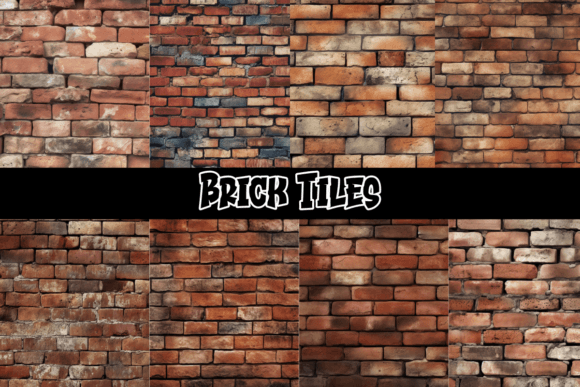
When we talk about a brick tile background, we’re discussing a visual element with a distinct personality. The appeal lies in its complex simplicity. Up close, you see the subtle variations in color—the warm terracotta reds, the muted greys, the earthy browns. You notice the irregularities in the mortar lines, the slight chips on a corner, the way light and shadow play across the surface. This isn't a sterile, perfect grid; it's an organic texture that feels lived-in and real. This inherent character makes it a powerful tool for brand identity, allowing a business to communicate qualities like stability, craftsmanship, and authenticity without saying a word. It’s a background that supports a message rather than competing with it.
The style versatility is another key strength. A clean, white-washed brick can feel airy, coastal, and modern—perfect for a boutique skincare brand or a minimalist food blog. A dark, weathered brick in charcoal or deep red evokes an industrial, urban, or even moody atmosphere, ideal for a craft brewery, a music venue, or a high-end menswear label. This adaptability means that Brick Tile Backgrounds aren't a one-trick pony. They are a foundational design asset that can be tailored to fit a vast spectrum of creative visions, from rustic farmhouse to sleek metropolitan.
Where These Textures Truly Shine: Practical Applications
The real-world value of these backgrounds is found in their application. For graphic designers and photographers, they are a secret weapon for creating mood and context. A product shot for a handmade candle gains instant warmth when placed on a textured brick surface. A portrait series can be given an editorial, urban edge with a gritty brick backdrop. It’s about using the texture to enhance the subject, not overwhelm it.
In the realm of digital and print design, the applications are equally broad:
- Web Design & Social Media: Use a subtle brick texture as a website background to add visual interest without harming readability. It works exceptionally well for hero sections, header backgrounds, or behind call-to-action buttons. For social media, it’s a game-changer. A consistent brick texture in your Instagram Stories or Facebook ads can become a recognizable part of your visual hierarchy and brand consistency, making your content stand out in a crowded feed.
- Publishing & Editorial Design: In editorial design, a brick texture can set the tone for a magazine feature, a book cover, or a newsletter header. It provides a strong, static element that allows typography to pop. Imagine a bold, clean sans serif font for a headline layered over a rich, red brick—it creates immediate impact and a clear visual hierarchy.
- Packaging & Branding: For small businesses and entrepreneurs, packaging design is a critical touchpoint. A brick background on a box sleeve, a label, or a thank-you card can reinforce a brand’s story of being handcrafted, local, or robust. This consistency across all touchpoints, from your website to your physical packaging, builds professionalism and brand recognition.
Integrating Brick into Your Design Workflow: A Practical Guide
Choosing the right brick texture is the first step. Don’t just grab the first one you see. Evaluate it like you would a premium font. Consider the color palette—does it complement your brand colors? Assess the scale and perspective. A texture that’s too zoomed-in can be disorienting, while one that’s too zoomed-out might lose its detail. Look for high-resolution files that allow for cropping and scaling without becoming blurry.
Next, think about pairing. The strength of a brick background is that it plays well with almost every typeface. Its rustic nature provides a perfect counterpoint to modern, clean fonts. Try pairing it with a geometric sans serif font for a contemporary, industrial feel. For a more classic or elegant look, a refined serif font can create a beautiful tension between the organic texture and structured letterforms. Even a flowing script font or handwritten font can work for certain projects, like a café menu or a wedding invitation, adding a personal, human touch against the solid wall. The key is to test your font pairing directly on the background to ensure the text remains legible and the overall composition feels balanced.
Finally, always consider the technical details. If you’re using the texture for a commercial project—like a client’s logo design or a product you intend to sell—verify the licensing. Reputable sources for design assets will provide clear commercial licenses. Also, think about file format. JPEGs are great for photos, but a PNG with a transparent section or a layered PSD file offers more flexibility for isolating parts of the texture or adjusting its color to perfectly match your project’s needs.
In the end, Brick Tile Backgrounds are more than just a trend. They are a timeless design tool that bridges the gap between the digital and the physical, the modern and the historic. By thoughtfully integrating them into your work, you’re not just adding a background; you’re adding a layer of story, emotion, and undeniable style that can elevate your creative projects from simple to truly memorable.