Enchanting Vintage Floral Garden Backgrounds for Creatives
The Enduring Appeal of Botanical Elegance
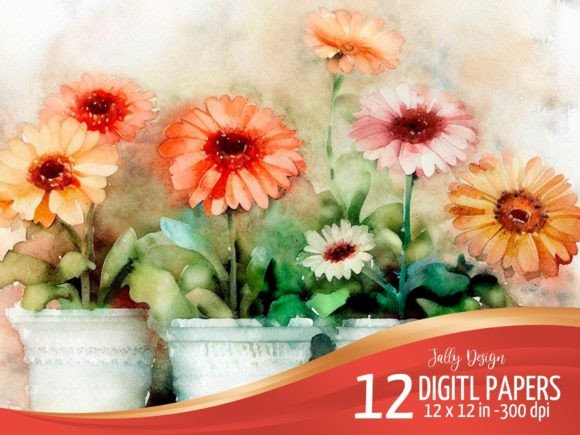
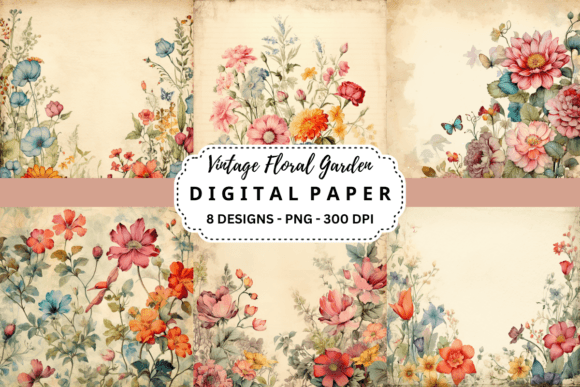
There’s a particular kind of beauty that never feels dated. It lives in the soft, faded palette of a heirloom quilt, the intricate detail of a pressed flower, and the gentle, worn texture of old botanical prints. This is the essence captured in Vintage Floral Garden Backgrounds. This collection isn't just a set of images; it's a curated mood board of timeless elegance. Each of the eight high-resolution PNG files offers a 3600x3600 pixel canvas at 300 DPI, ensuring every petal, leaf, and subtle gradient is rendered with exceptional clarity. The personality of these backgrounds is one of nostalgic romance, quiet sophistication, and organic charm. They don't shout for attention; they invite the viewer in, creating a sense of warmth, heritage, and artisanal quality that modern, flat designs often struggle to achieve.
The visual style leans into the classic "cottagecore" aesthetic but with a refined, designer's touch. Expect to see a harmonious blend of muted tones—dusty roses, sage greens, antique golds, and soft creams—arranged in balanced, garden-inspired compositions. The textures are key; you'll find the subtle grain of aged paper, the delicate transparency of watercolor washes, and the crisp definition of vintage engraving. This combination creates a versatile asset that feels both authentic and professionally crafted. It’s the difference between a stock photo and a piece of art you’ve carefully selected for your project.
Where These Backgrounds Truly Shine
The practical applications for such a versatile design asset are extensive. For social media graphics, these backgrounds instantly elevate a post from generic to curated. A fashion blogger can use one as a backdrop for a product flat lay, adding depth and context that aligns with a romantic brand voice. A small business owner selling handmade soaps or teas can create packaging design elements or wrapping paper that communicates a story of natural ingredients and careful craftsmanship. The backgrounds serve as a foundational layer, allowing text and foreground elements to pop without competing for attention.
Beyond the digital realm, their utility in print is just as powerful. Invitation card designers will find them perfect for wedding suites, baby showers, or vintage-themed parties, setting an immediate tone of elegance. For scrapbooking and journaling, they provide a rich, textured base that complements photos and memorabilia. Entrepreneurs in the print on demand space can apply these to mugs, tote bags, or notebook covers, creating cohesive product lines with a distinct, premium feel. Even in editorial design for magazines or lookbooks, a subtle floral background can frame a feature article or a product page, enhancing the narrative without overwhelming the typography.
Strategic Application and Design Considerations
Using a background like this effectively is about more than just placement; it's about integration. The goal is to let the background enhance your message, not obscure it. One of the primary considerations is visual hierarchy. The inherent detail of a vintage floral pattern means your typography must work harder. This is where pairing becomes critical. A bold, clean sans serif font for headlines can provide a strong counterpoint to the ornate background, ensuring readability. For body text, a simple, well-spaced serif or sans serif will maintain clarity. Avoid overly decorative script fonts or handwritten fonts for large blocks of text, as they can become lost in the pattern.
The backgrounds also have a direct influence on brand perception. Consistently using them across your brand identity—from your website's hero sections to your Instagram story templates—builds a recognizable aesthetic. It signals a brand that values beauty, tradition, and detail. This can foster a stronger emotional connection with an audience that appreciates these qualities, boosting engagement and recognition. For a business, this isn't just decoration; it's a strategic tool for storytelling.
Practical Guidance for Your Projects
Before diving in, evaluate the fit for your specific project. Does the color palette of the background align with your brand's colors or the mood of your content? Use the eyedropper tool in your design software to sample colors from the background and incorporate them into your text and graphic elements for a cohesive look. Test your font pairing choices directly on the background. Place your headline and body text over a sample area to check for contrast and readability. Sometimes, adding a subtle, semi-transparent shape (like a white or off-white rectangle) behind your text can create a clean "text box" that solves any readability issues while maintaining the background's aesthetic.
Remember, these are premium font assets, meaning they are crafted for professional use. The 300 DPI and large pixel dimensions make them suitable for high-quality printing projects, from posters and banners to labels and fine art prints. Always check the licensing for commercial use to ensure it aligns with your project's scope, whether for client work or products for sale. By treating these backgrounds as a core component of your design assets toolkit, you can consistently produce work that feels sophisticated, intentional, and deeply connected to a timeless aesthetic. They are more than just a pretty picture; they are a foundation for building beautiful, enduring visual communication.